
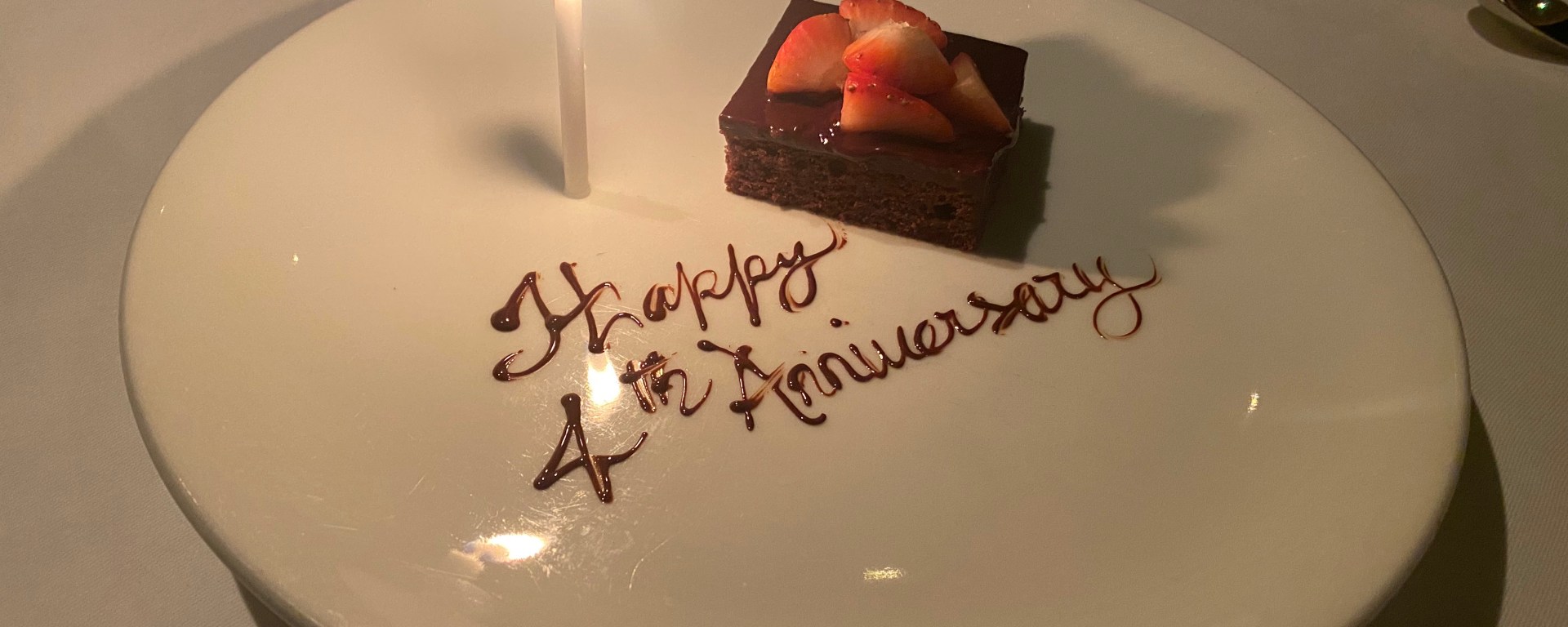
Have you thought about what it means to love and be loved? Forget the bells and whistles or the warm, fuzzy feelings that follow a brief embrace. This is not about fairy-tale descriptions or romance-movie depictions. Erase the thoughts generated from listening to those 80s love songs, because that is not what this is about. Our notion of love always seems to come from a combination of the above, but never from real people. So we enter into relationships with preconceived ideas and faulty expectations. On account of this, some relationships thrive, some go through the motions, some are teetering on the edge of a breakup, while others are in complete tatters.

Love will make demands that, up until now, you would have gladly refused and moved on from.
Are you prepared to give up your time, money, and cherished habits to please someone else? We all have our priorities, but with love, everything else becomes secondary. Your thoughts are now focused on your partner and what they desire. Before you eat, pray, play, or spend money, love makes you consider the well-being of the other person. We can never look at a slice of cake the same way again. In this new state, we wonder, “Would they like some cake?” For men, we quickly learn that whenever we go out to get food, we should get two of everything — even if she says, “I don’t want anything.”
“Love is a decision to seek the well-being of another.” — Dr. Tony Evans
Such adjustments don’t just happen without resistance. Change is never easy. Uprooting long-forged behaviour patterns is not the easiest thing to do — it does not happen overnight. What we are being asked to forgo is a culture, a way of life that we have pursued for years. Through nature and nurture, we have been conditioned. To now unlearn all of this and adopt a new way of living is a lengthy process. For many, what is now being asked was never something they observed in their own childhood home. You have spent years unconsciously absorbing structure, emotions, responses, and language that now form the core of your being. You have been wired by experience to behave in a particular way. Marriage, therefore, requires a rewiring. The learning curve is steeper for some than for others. In this sense, marriage is a school — one where we come to learn about ourselves and about our spouses.

One might even feel they are being attacked.
What is required may cause you to feel downright scared. With all the adjustments needed, you may fear losing your identity entirely. Your time becomes shared, your activities shift, and the liberty you once had is transformed. That is not to say there is no freedom in relationships, but it is a whole new kind of freedom — one shaped by an unspoken constraint.
Spending intimate moments with someone consistently and sharing close quarters allows for a cumulative set of observations. For perhaps the first time, you get to see yourself clearly — and only because your partner is able to reveal you to yourself. This person spends time with you up close and personally. They see and feel what your subconscious produces. Such truth may cause embarrassment and introduce feelings of guilt. But here, too, is an opportunity for growth.
Another major issue is forgiveness. Forgive, or your relationship will not survive. You are going to have to let some things go. Learning to forgive and move forward is essential for a healthy relationship. You cannot remain consumed by your feelings continually, because that breeds toxicity. If you fly off the handle easily, hold grudges, harbour malice, or seek revenge, then this is not for you. All of that has to go. I understand that you may have been raised this way, but these traits are ingredients for a dysfunctional relationship. Loving someone comes with the requirement that you do not hold their wrong actions against them indefinitely. Why are you still beating him or her down with something they did ten years ago? If you find it difficult to get over the past, you will grow no closer.
Some partners will not allow you to forget what you did. They will remind you every time you slip up. The present scolding will include two incidents from last year, another from five years ago, and yet another from ten years back. Two things to consider here: if you are consistently doing the wrong thing, you need help. Evaluate your actions, find the root cause, and take the necessary steps to change course. If you are the partner who keeps rehashing the past, then you have a problem too. You are carrying unresolved pain — like a knot in your stomach that needs to be loosened. Are you ready to let go of that feeling? This is not about giving anyone a free pass. Hold that person accountable for their wrong actions, but do not hold on to the hurt and anger those actions caused you.
How willing are you to share the truth? There are people who cannot express exactly how they feel about an issue out of fear. If you have a partner who cannot handle the truth, you are in for a lifetime of tension. You will forever be walking on eggshells. Tiptoeing around issues is exhausting. Imagine subjecting yourself to that kind of tension all day, for months on end. You cannot say what you really want to say, so you walk around with your head full of unexpressed thoughts. This creates tremendous internal pressure and can become deeply frustrating if left unresolved.
That said, I hold a golden rule that follows from the above: not every truth must be spoken.
The idea that “not every truth must be spoken” aligns with research on relationship maintenance and communication. Dr. John Gottman, in his seminal work published in the Journal of Marriage and Family (2000), introduces the concept of “accepting influence” and selective communication, noting:
“The art of maintaining long-term relationships involves not just honesty, but wisdom in choosing which truths to address. Our research indicates that couples who demonstrate selectivity in raising concerns — focusing on issues that truly impact the relationship’s health rather than every minor grievance — show significantly higher relationship satisfaction scores.”
This principle extends beyond relationships. It speaks to emotional intelligence and social wisdom — the ability to discern when speaking up serves a constructive purpose versus when it might only create unnecessary tension. For instance, if your partner loads the dishwasher differently than you prefer, or leaves a book slightly out of place, constantly pointing out these minor differences may create more harm than good.
This is not about dishonesty or suppression — rather, it is about understanding that not every observation needs to be verbalised. It is similar to the concept of “choosing your battles,” but with a more nuanced approach focused on maintaining harmony while still addressing the issues that truly matter.
So I ask again — are you ready for love?
If you are, buckle up. You are in for a wild ride.
 ASTOR TATE